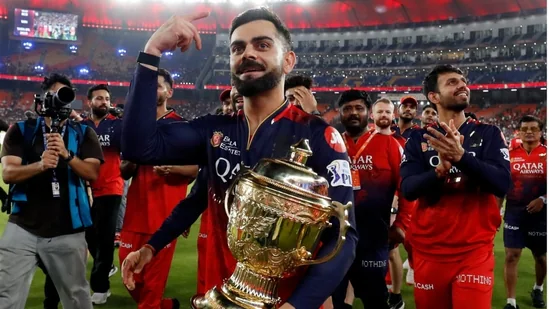
The Royal Challengers Bengaluru sale story has moved from whispers to a live process. Owners have opened active discussions, bankers are sounding out suitors, and—most crucially—there’s now a broad, six-strong field of potential buyers circling one of the IPL’s most marketable franchises. With a sticker price hovering around the $2-billion mark, the question isn’t just who buys RCB—it’s who believes most in the IPL’s next decade of growth.
Why RCB, Why Now
RCB sits at a sweet spot: a massive pan-India fan base, a global brand halo through star power, and fresh commercial momentum. For a prospective buyer, the bet is that media rights expansion, OTT subscriptions, and direct-to-fan monetisation (merch, memberships, premium content, hospitality) will keep pushing franchise values up. At the same time, RCB’s current owner is reassessing where to deploy capital. That combination—brand on the rise, seller open to a premium—creates the window.
The Field: Six Profiles, One Prize
While names ebb and flow as diligence deepens, the contour of the bidder set looks like this:
- A large Indian industrial group
Deep pockets, a strong sports footprint, and the ability to integrate venues, events, and brand partnerships. Strength: capital and execution capacity. Watch-out: conflict-of-interest rules if they’re tied to other cricket entities. - A diversified infrastructure/steel-to-services conglomerate
Already invested in Indian sport, comfortable with long-horizon assets. Strength: operational discipline, government interface, and infra leverage. Watch-out: would need clean separation from any existing franchise stakes. - A healthcare/pharma billionaire-led consortium
Entrepreneurial capital that loves iconic assets; open to co-investing with offshore partners. Strength: decisive leadership and brand-building instinct. Watch-out: price discipline—how high are they willing to go? - Two US-based private-equity players (counted as separate bidders)
Institutional capital seeking scalable sports IP in high-growth markets. Strength: valuation frameworks, governance, and global network effects. Watch-out: need for local operating partners and comfort with cricket’s regulatory landscape. - A Delhi-based multi-sector tycoon
Familiar with media/real-estate ecosystems, attuned to event-led businesses. Strength: local deal-making agility. Watch-out: scrutiny on financing structure and long-term governance.
Collectively, this group brings different advantages: balance-sheet muscle, brand savvy, or sharp capital discipline. The process will test not only price but plan—who shows the most convincing roadmap for revenues beyond broadcast cheques?
The $2-Billion Question
Is the valuation justified? The bullish case rests on three pillars:
- Media & digital upside: Even conservative growth in rights cycles and streaming ARPUs can re-rate cash flows.
- Direct-to-fan flywheel: Subscriptions, memberships, data-driven commerce, and global merchandise—RCB’s brand can travel.
- Event & venue economics: Better utilisation of matchdays and year-round experiences amplify per-fan revenue.
Skeptics point to risks: regulatory changes (e.g., advertising categories), venue constraints, and dependence on star power. But in a scarce-asset market with 10-year horizons, scarcity premiums are real.
What Will Decide the Winner
- Clean structure, clean approvals
The BCCI rulebook, conflict-of-interest checks, and any prior undertakings matter. A bidder with zero entanglements moves faster. - Bank-ready bid package
Proof of funds, debt terms (if any), and a credible five-year operating plan. Sellers want certainty, not just headlines. - Commercial plan beyond hype
Concrete levers: pricing for premium seating, member tiers, women’s team integration, academy footprint, regional language content, and an international fan programme. Show the math, not just the mood. - Risk buffers
How the bidder handles player-injury variance, venue availability, or sponsorship rotation. The best decks model the downside, not only the blue sky.
The Hurdles Ahead
- Legacy & liabilities: Any pending claims or operational obligations (stadium agreements, long-term vendor contracts) must be priced in.
- Stadium certainty: Matchday economics hinge on seat inventory, hospitality boxes, and control over F&B/merch.
- Transition optics: Fans expect continuity of culture. A buyer who respects RCB’s identity—while professionalising operations—will earn equity with supporters from day one.
Timelines & Likely Shape of a Deal
Active discussions now typically mean an indicative bids phase, shortlists for management meetings, and binding offers after diligence. A minority-first path (toe-hold stake with path to control) is possible, but market chatter suggests a cleaner control deal if price expectations are met.
What It Means for IPL Valuations
A landmark RCB transaction would reset comps for the entire league. Expect ripple effects on sponsorship pricing, secondary ticket markets, and women’s team valuations under the same umbrella brand. If the final price kisses—or clears—the $2-billion bar, it will anchor IPL as one of the most valuable domestic sports properties anywhere.