


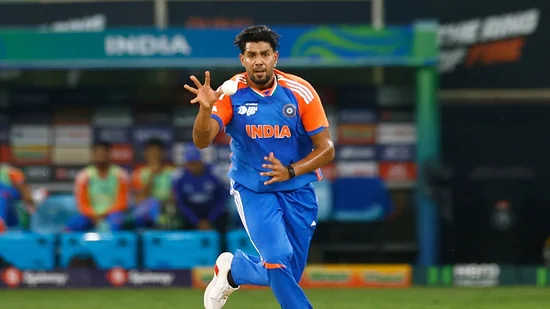
The latest flashpoint in Indian cricket’s bubbling cauldron of opinions has featured a familiar trio: a young quick under scrutiny, a fiery mentor who wears his heart on his sleeve, and a veteran voice urging perspective. Ravichandran Ashwin has weighed in on the Harshit Rana–Gautam Gambhir episode with a simple, telling plea: debate the incident, even criticise it if you must—but don’t get personal with the player.
The spark and the spillover
The chain reaction began with a heated on-field moment involving Harshit Rana—aggression, send-offs, and celebration styles that split opinion down the middle. Gautam Gambhir, never one to sugar-coat, publicly defended his ward’s competitive streak while blasting what he saw as inconsistent standards and selective outrage. In the modern discourse cycle, that was enough to light the fuse: commentary panels, ex-players, and fans took sides, memes did the rest.
Ashwin’s intervention reframed the conversation. Rather than arguing for or against a particular celebration, he asked the ecosystem to resist the slide into character assassination. Young players, he suggested, are learning in real time under stadium lights and social-media microscopes; mistakes will happen. Hold them accountable, yes—just don’t make them the villain of the week.
Why Ashwin’s message matters
Ashwin is more than a world-class spinner; he’s become an influential interpreter of the game’s culture. His stance acknowledges a delicate balance cricket is trying to strike:
- Intensity vs. line-crossing: Modern white-ball cricket almost demands visible fire. But there’s a fine line between theatre and taunting.
- Correction vs. cancelation: Youngsters need guidance and guardrails, not dogpiles.
- Consistency in standards: The same gestures are celebrated when one player does them and condemned when another repeats them. That hypocrisy erodes credibility.
By focusing on tone, not just content, Ashwin is nudging the conversation toward healthier norms: critique the act, not the individual; improve standards without indulging in moral grandstanding.
Gambhir’s role—and why it divides people
Gambhir’s public defence of Harshit was classic Gambhir: blunt, protective, us-against-them. For his supporters, that’s exactly what modern teams need—mentors who shield their players and refuse to outsource team culture to the loudest voices online. For detractors, it risks reinforcing an aggressive edge that can tip into needless flashpoints.
Both things can be true. A coach or mentor must fiercely back his players; he must also channel that intensity into discipline and repeatable habits. The lesson for Harshit isn’t “mute your fire,” it’s “aim it better.” Celebrate with your teammates, not at your opponents; pick your moments; let wickets speak.
The young fast bowler’s crossroads
Harshit Rana is at a familiar cricketing crossroads: talent and trajectory are undeniable, but perception can define opportunity. The blueprint for turning this into a springboard is clear:
- Control the controllables: Line, length, planning, and repeatability. When your skill execution is high, the celebration becomes a footnote.
- Rituals, not reactions: Replace spontaneous, opponent-facing theatrics with pre-agreed team rituals that channel adrenaline inward.
- Own the learning loop: Brief acknowledgement if a line was skimmed; then move on with composure. The public respects growth.
- Mentor huddles: Lean on senior pros—how to sledge less, plan more; how to show edge without feeding the opposition.
What the ecosystem needs next
- Clear codes, applied evenly: Umpires and match referees should continue to police conduct—firmly and uniformly—so players know the boundaries before emotions blur them.
- Smarter commentary: Critique the behaviour, contextualise the heat of the moment, avoid armchair psychoanalysis of 23-year-olds.
- Team-first theatre: The best celebrations—think huddle roars, choreographed handshakes—build brand without baiting rivals.
Big picture: the cost of getting it wrong
If the discourse keeps turning personal, Indian cricket risks burning out its next wave before they fully bloom. Social media storms don’t just trend; they stick. Young bowlers start playing defensively to avoid headlines, the exact opposite of what attacking quicks must do in the powerplay or at the death.
Ashwin’s reminder is, therefore, more than etiquette; it’s performance strategy. A calmer environment breeds braver cricket. You still uphold standards—no abuse, no intimidation—but you leave room for raw emotion to be sculpted into competitive steel.
The closing note
Harshit Rana will learn, Gambhir will keep protecting his dressing room, and Ashwin will continue to nudge the conversation toward nuance. That’s a healthy triangle—edge, shield, and compass. Let the cricket be hard and honest; let the conversations be firm and fair. Critique the act, coach the player, and keep the personal out of it.