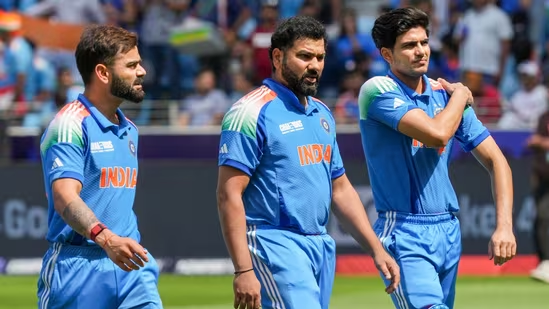
When India appointed Shubman Gill as ODI captain for the upcoming Australia tour, it stirred waves of debate, expectations, and questions. Among those weighing in was all-rounder Axar Patel, who offered a measured perspective on Gill’s new role and how having Rohit Sharma and Virat Kohli alongside him could shape the journey ahead.
Gill’s New Role: A Test of Trust and Transition
Gill’s elevation to ODI captain marks a big step — not just for him, but for Indian cricket’s generational shift. He’s already leading the Test side and now assumes responsibility in the 50-over game. The shift is not just symbolic, but signals clearer intent from the BCCI to build a long-term leadership core around younger talent.
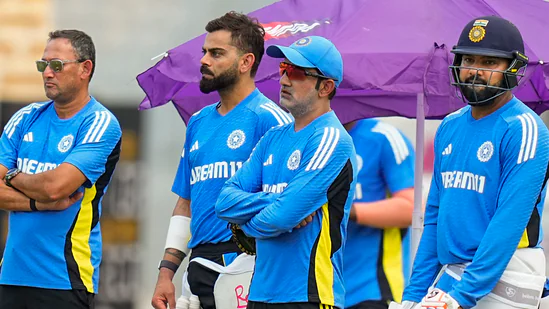
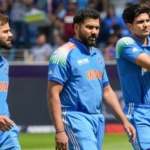
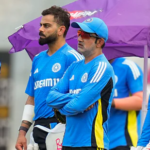
Axar acknowledged that Gill’s experience as a captain is limited in white-ball formats. But he emphasised that this is precisely why the presence of senior figures like Rohit and Kohli matters. Their guidance, calm presence, and mentorship could provide balance, helping Gill handle pressure, make strategic calls, and grow into his leadership mantle.
Senior Presence as a Stabiliser
One of Axar’s key points: having Rohit Sharma and Virat Kohli in the squad isn’t a complication — it’s an asset. He sees their presence as a stabilising influence, someone Gill can lean on in tense moments.
These two veterans bring decades of high-stakes experience. When the captain is young, mistakes are inevitable; the role of seniors is to help absorb those lessons, offer counsel, and bridge understanding between younger players and established tactics. Axar indicated that Rohit and Kohli won’t compete with Gill, but will support him — on and off the field.
That said, the dynamic isn’t without its challenges. The balance will require humility, respect, and clarity. Gill must lead; Rohit and Kohli must advise without overstepping. Axar sounded confident that in the dressing room atmosphere India generally maintains, this balance is achievable and will be respected.
Performance Will Define Leadership
Axar was careful not to oversell Gill’s captaincy as an automatic triumph. He underlined that leadership must be backed by performance — both personal (runs, consistency) and collective (team results). Having senior names in the side doesn’t guarantee success; sustainable gains will come when results follow.
Gill will face scrutiny not merely as captain, but as a player. He will be judged on how he handles pressure, marshals resources, backs bowlers, fields changes, and makes tactical calls. Axar hinted that the selectors will watch not just his captaincy decisions, but how he leads under duress.
In short: leadership is more than a title. It must be substantiated with evidence over time.
Room for Mistakes? Yes — with Boundaries
One point Axar stressed: mistakes are inevitable for a first-time ODI captain. But there is a difference between acceptable errors and avoidable ones. The senior players, coaching staff, and support system must allow Gill space to learn — without letting lapses go uncorrected.
Pressure moments will test not only his decision-making but temperament. How he responds when a plan fails, how he handles dissent or resistance, how he balances aggression and caution — these will all shape his captaincy identity.
Axar implied that the team culture should guard against harsh blame or panic during early stumbles. But accountability must remain strong.
What to Watch Going Forward
- Gill’s batting & consistency: He must perform with the bat to command credibility as captain.
- Rohit & Kohli’s role: How active they are in advising strategy, mentoring in game, and aligning with Gill’s vision.
- Captaincy decisions under pressure: Field placements, bowling changes, handling batting collapses — these will test him.
- Player dynamics: How younger players take to him, how experienced players respond, and how cohesion evolves.
- Results over rhetoric: Wins, especially tough ones, will speak loudest about the choice.
In essence, Axar Patel’s view is that Gill’s appointment isn’t a gamble but a structured risk — one balanced by experienced support, clear expectations, and freedom to grow. If the combination succeeds, it may mark a turning point in India’s leadership continuum. If not, lessons will be sharp and public.